
Quick answer
Orvieto lies about 120 kilometres north of Rome and is reached in a single leg, with no transfer required. The practical target is arrival between 09:00 and 11:00, which clears the mid-day tour-bus wave and the worst of the summer heat. The Duomo, at Piazza del Duomo, keeps a consistent 09:00–19:00 pattern every day of the week, so the constraint is your return, not the town's schedule.
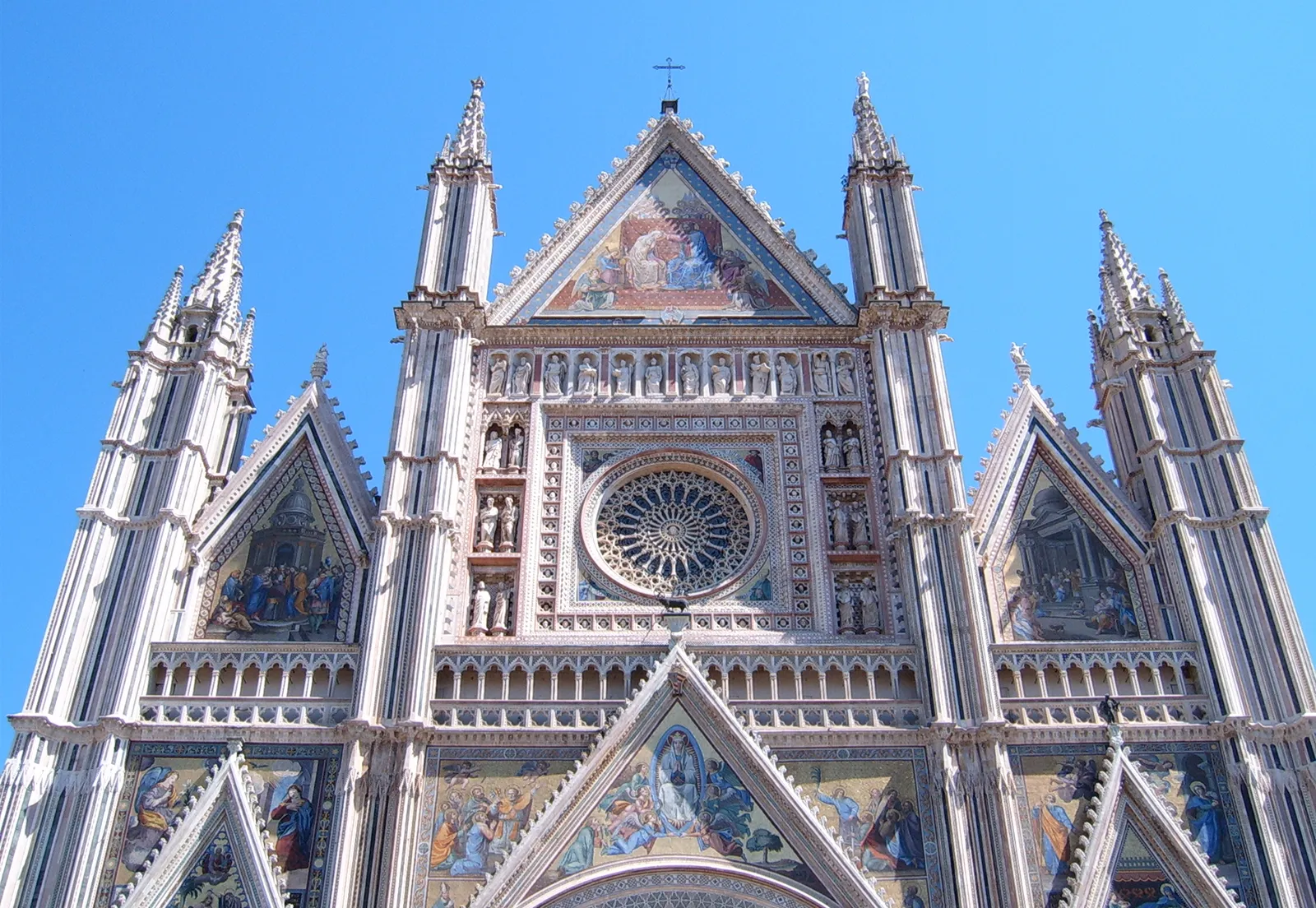
The town you are heading for does not sit at ground level. Orvieto's historic centre stands on a butte of volcanic tuff with near-vertical flanks, and beneath it runs a honeycomb of more than a thousand caves, cisterns and Etruscan wells cut over twenty-six centuries. Arrival, therefore, has two stages: reaching the plateau's base, then climbing it. Anyone researching how to get to orvieto from rome should plan for that second stage rather than treating arrival as the finish line. The geography explains most of what follows. The lower town clusters around the modern arrival point; the upper town, where the Duomo, the Pozzo di San Patrizio and the medieval quarter of Piazza del Popolo sit, is reached by funicular or by road. The walk from the top station to Piazza del Duomo is short and largely level, along Corso Cavour and Via del Duomo. That layout is the reason a Rome to Orvieto day trip works: once you are on the plateau, everything of consequence is within fifteen minutes on foot, and the cathedral's striped travertine and basalt facade — Luca Signorelli's Cappella di San Brizio frescoes inside — is the natural first stop. Context matters for the return leg as much as the outbound. Orvieto is a small comune of around 20,000 residents, and its rhythm is not a capital's. Shops on Corso Cavour close through the early afternoon; the Orvieto Classico vineyards and Umbrian landmarks in the surrounding valley are a separate excursion, not an add-on. Visitors who treat the day as a leisurely half-day rather than a compressed sightseeing sprint consistently report a better trip. The practical takeaway is to build the day backwards. Fix the hour you must be back in Rome, subtract the descent from the plateau, and what remains is your real window on the rock — usually four to six hours, which is ample for the Duomo, the underground caves and lunch. Read the transport and timing sections below alongside this how to get to orvieto from rome overview before fixing anything; the difference between a rushed visit and an unhurried one is almost always a single earlier departure.
“Arrival has two stages: reaching the plateau's base, then climbing it.”
How to Get to Orvieto from Rome by Train and Car
Orvieto is located in the Umbria region, approximately 120 kilometers north of Rome. The most efficient way to travel between the two cities is by regional train or private vehicle via the primary highway network.
Trenitalia regional or intercity train from Rome Termini to Orvieto station
A1 autostrada (Autostrada del Sole) towards Firenze, exit at Orvieto
Opening Hours for Your Trip to Orvieto
The Orvieto Cathedral maintains consistent daily operating hours throughout the week, welcoming visitors to explore its interior. Planning your arrival within the designated daily window ensures access to the site.
| Monday | 09:00–19:00 | |
|---|---|---|
| Tuesday | 09:00–19:00 | |
| Wednesday | 09:00–19:00 | |
| Thursday | 09:00–19:00 | |
| Friday | 09:00–19:00 | |
| Saturday | 09:00–19:00 | |
| Sunday | 09:00–19:00 |
Nearby Sights to Visit After You Get to Orvieto from Rome
Orvieto serves as a central hub for exploring the surrounding regions of Umbria and northern Lazio. Several historical sites are located within a short distance, allowing for a broader experience of the local architecture and landscapes.
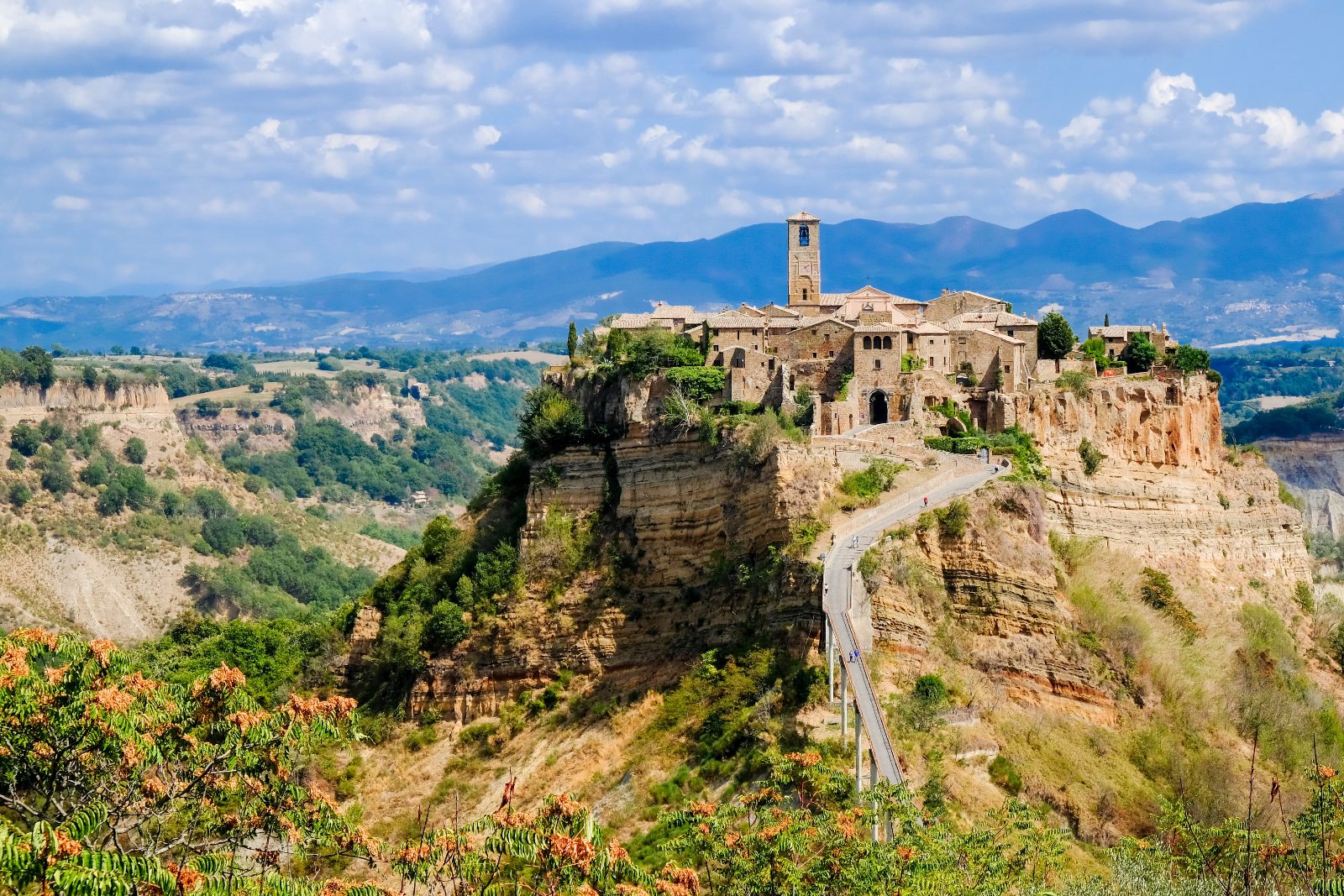
Civita di Bagnoregio
Known as the dying city, this village sits atop a crumbling plateau and offers a dramatic contrast to the volcanic cliff of Orvieto.
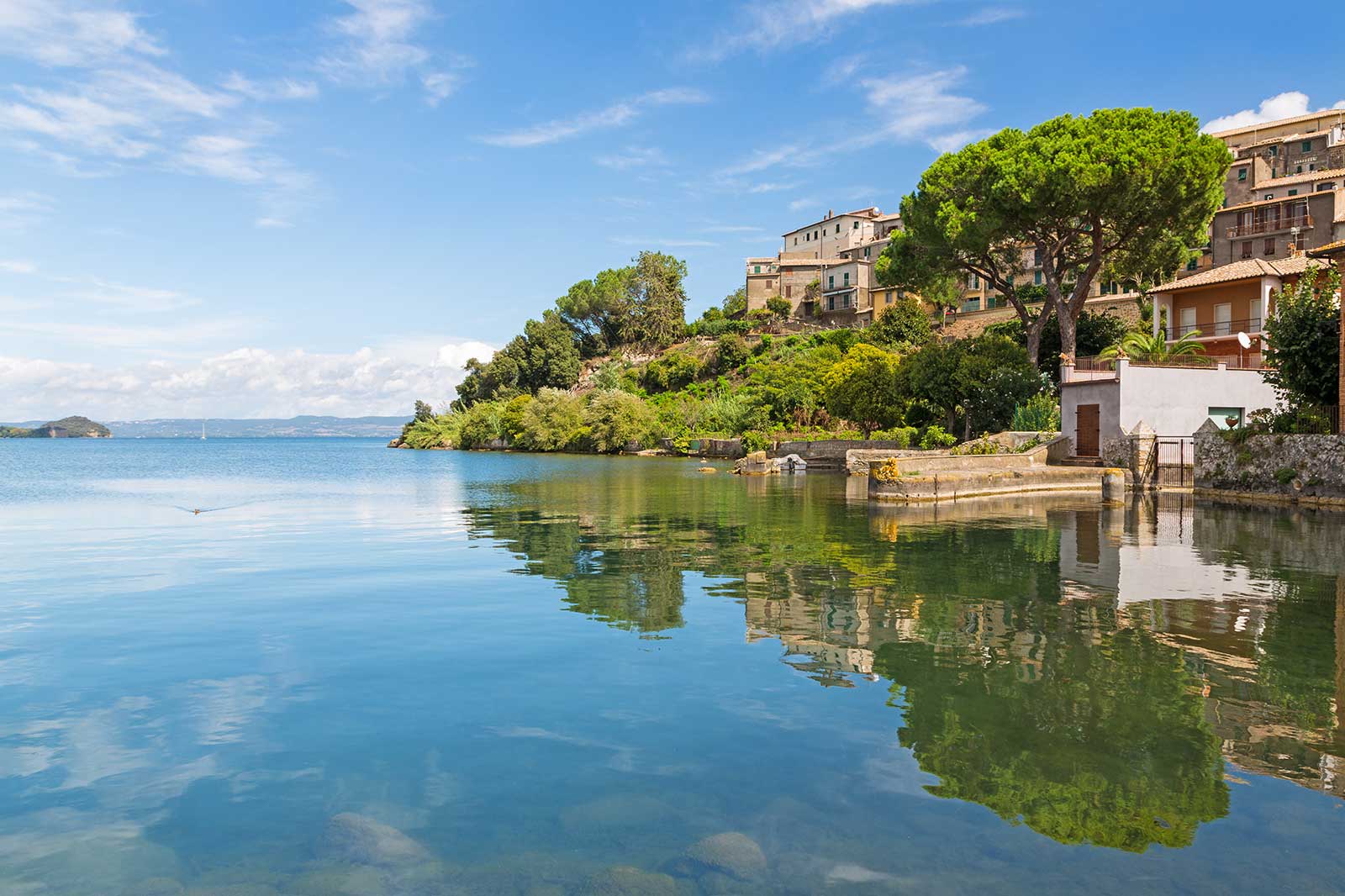
Lake Bolsena
This volcanic lake provides a scenic natural environment for a change of pace after exploring the dense city center of Orvieto.
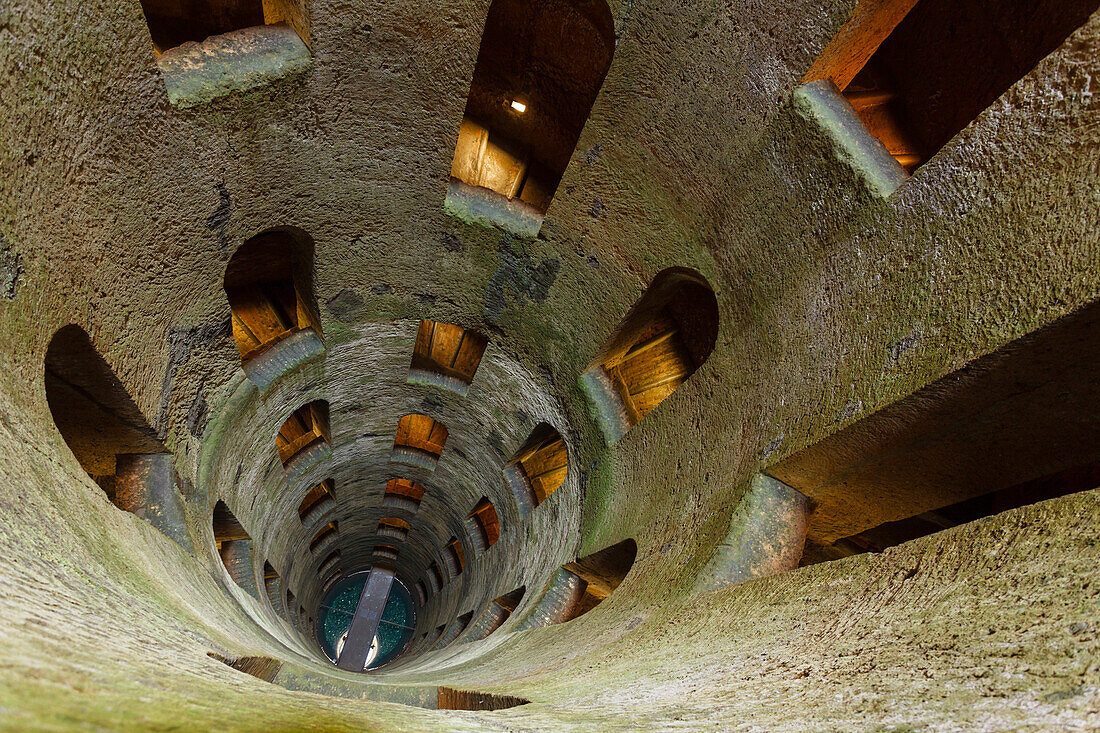
Pozzo di San Patrizio
Located near the edge of the city, this dual-helix well demonstrates 16th-century engineering designed to ensure water access during sieges.
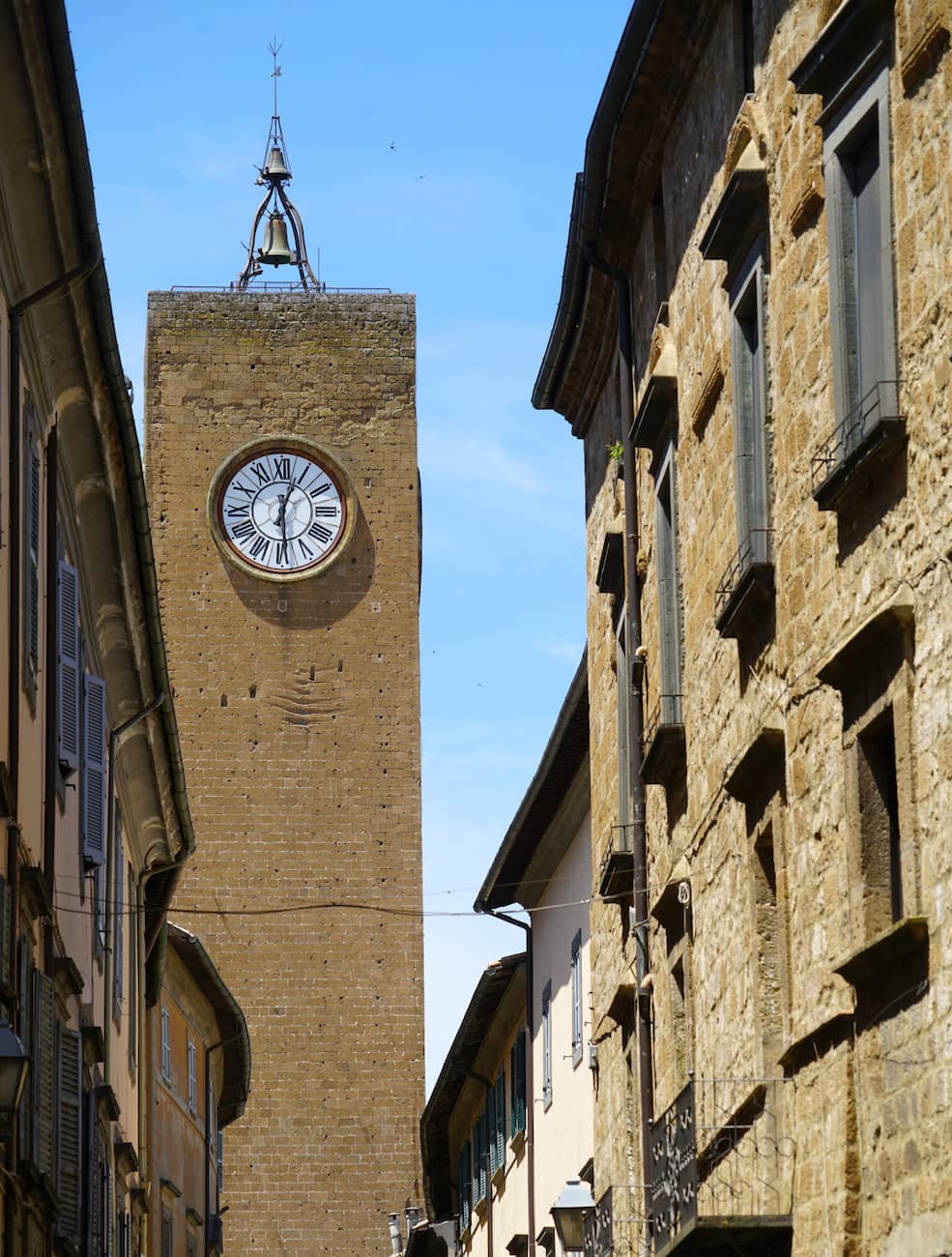
Torre del Moro
This 13th-century clock tower sits at the geographic center of Orvieto and provides an elevated vantage point over the city rooftops.
Check availability
Frequently asked questions about how to get to Orvieto from Rome
Everything you need to know about how to get to orvieto from rome